


Know Your Numbers – Blood Pressure
Posted on February 19, 2014
Why Is High Blood Pressure Dangerous?
Blood pressure is the force of blood pushing against your blood vessels. If this pressure rises and stays high over time, it is called hypertension. If it is not controlled, high blood pressure can cause serious health issues:
- Stroke
- Heart attack
- Kidney problems
- Heart failure
- Eye problems
Most people with high blood pressure feel healthy and don’t have symptoms. The only way to know if you have high blood pressure is to have your blood pressure checked.
How Do You Get Checked for High Blood Pressure?
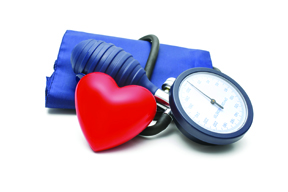
Checking your blood pressure is simple. Your provider places a fabric cuff around your upper arm and pumps it full of air. Your provider then listens to your heartbeat while the air lets out of the cuff.
Follow these steps to help your provider measure your blood pressure correctly:
- Wear a short-sleeved shirt or blouse.
- Empty your bladder.
- Don’t smoke, exercise, or drink caffeine for at least 30 minutes before your appointment.
- Sit down and relax with your feet on the floor and your back supported for at least 5 minutes before your blood pressure is checked.
- Don’t talk while your blood pressure is being checked.
What Do Your Blood Pressure Numbers Mean?
Blood pressure is measured by two numbers.
- The first (or top) number—“systolic”—is the pressure in your blood vessels when your heart beats.
- The second (or bottom) number—“diastolic”—is the pressure in your blood vessels between heartbeats.
If your blood pressure is normal, that’s great! You should have it rechecked every year or so to be sure it stays within the normal range.
If your blood pressure is pre-high or high, it should be rechecked to determine whether you have hypertension. Ask your provider the following questions:
-
When should I have my blood pressure checked again?
-
Do I need treatment for high blood pressure?
What Can You Do to Prevent or Control High Blood Pressure?
1. Quit smoking or chewing tobacco.
Ask your provider for help with quitting.
2. Achieve and maintain a healthy weight.
If you are overweight, ask your provider for help with an eating and physical activity plan to lose weight.
3. Be physically active.
o “Physical activity” includes any activity that raises your heart rate, such as brisk walking, working in the house or yard, or playing sports.
o Do activity for 10 minutes or more at a time. Aim for at least 2 hours and 30 minutes of activity each week.
4. Reduce salt (sodium) in your diet.
o Read food labels. Choose and prepare foods that are low in sodium or are sodium-free.
o Ask to see a registered dietitian if you need help with a plan.
5. Limit alcohol.
o Men should have no more than two drinks per day.
o Women should have no more than one drink per day.


Comments are currently closed.