


Diabetes Management
Posted on February 19, 2014
Good diabetes management is not as simple as taking medicine. It’s an entire lifestyle change. It’s easy to become discouraged trying to manage it all. Diabetes is tough. Your pancreas has taken early retirement. Turns out your once trusty organ toiled hard, and taking over its work is overwhelming. You can’t relax on the job. Your life has become a blur of finger sticks, medications, and perhaps insulin injections. You have to see an endocrinologist, a nutritionist, and an optometrist and follow up with your dentist. You are given medications, information, and encouragement. You are at a higher risk for heart disease, blindness, poor wound healing, and infection. You have to watch your diet and exercise and can no longer walk barefoot through the grass. However, good diabetic management has its rewards. When you are successful, you will have a long and healthy life, even with diabetes.
Tips for Managing Your Diabetes
- Do your best. You can’t change your entire life at once, focus on one area. When you are successful, move on to the next.
- Don’t beat yourself up when you backslide, but don’t allow yourself to not get back on track.
- Find support. Connect with other diabetics, either in person or online. They have personal experience that could be of value to you. Enlist friends and family who will support and encourage you.
- Make sure you have a medical team in place. This includes your primary care provider (PCP), endocrinologist, nutritionist, podiatrist, and dentist. Each one has a part to play to keep you functioning at your best. They can give you good information on how to best care for yourself.
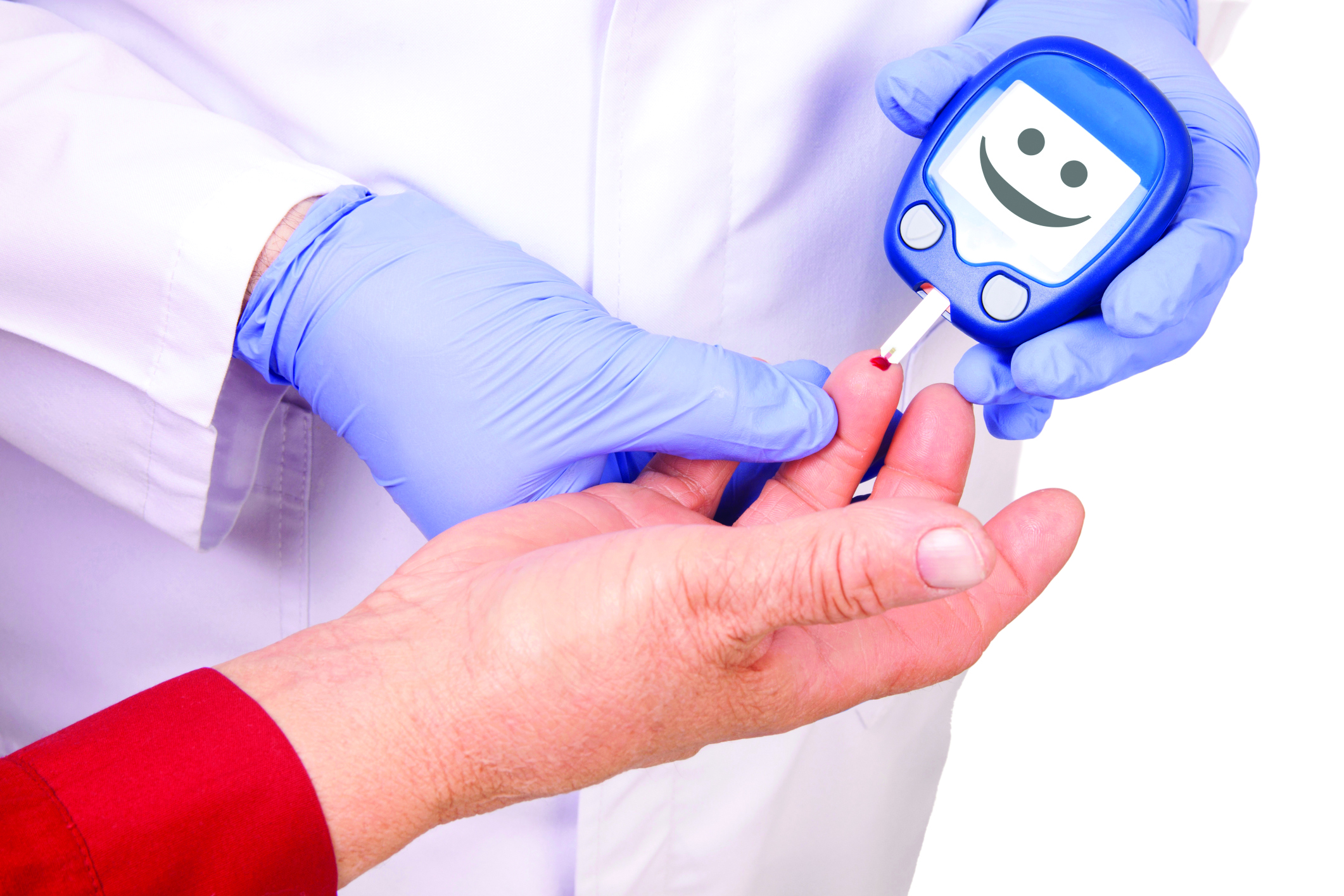
- Monitor your blood sugars. When they are too high or too low, monitor them more and try to figure out what is causing them to be so. Is it exercise, food, illness, or a change in another medication? Know when you should call your doctor.
- Take your medications as prescribed. If you don’t like certain side effects, talk to your doctor. Maybe your medicine can be changed. Be honest. If you are skipping doses or aren’t taking a medication, let your PCP know. He or she can’t treat you properly if you are giving false or incomplete information.
- Exercise! Find something, anything. Moving is always better than not moving, even if you don’t lose weight.
- Don’t give up. If weight loss is your goal. Maybe you wanted to lose 20 pounds and you have only lost 10. The next time you go to the grocery store, pick up a 10-pound item and carry it around. That might help you realize that losing 10 pounds is good progress, and help you keep working at additional weight loss.
- Keep a food log. How detailed depends on your sugars and your desired weight loss. Keeping a journal about where you were, your mood, your hunger level, and food choices might help you better control what you eat.
- Try to quit if you smoke. Your PCP can let you know what tools are available.
- Drink alcohol in moderation. Talk to your doctor to understand how it affects your blood sugar or any medications you are taking.
- Celebrate every victory. If your blood sugars or AIC have decreased even a little, if you lost one pound, or did some sort of exercise four days last week, do a happy dance or pat yourself on the back. You have a hard job, and every victory counts for something.


Comments are currently closed.